
Brand is Not Just a Cool Video Campaign
All too often I see marketers focused on telling visual stories (and they win awards doing it), but those same stories lack deep connection to the organization as a whole.
But every so often I come across a brand story permeating across an organization. When this happens, it is, in a word: magic.
A few examples to showcase what I mean:
Apple (circa 2001):
We all remember Steve Jobs going on stage with the iPod in his pocket. He described a challenge with music and personal entertainment. While the company had been wildly successful since his return in 1996, the launch of the iPod was the first market-changing moment for Apple in years.
The iPod leaned into the company ethos of “Think Different.” The marketing around the iPod was fun, creative, and most of all, real.
They designed an entire ecosystem around you, your tastes, and making things easy for you. Gone were the days of burning CDs to play in your car; now you just transferred songs on and off your iPod at any hour of the day, for free. That’s thinking different.
Patagonia
Five years ago this Black Friday (2026), international outdoor brand Patagonia had long been known for their commitment and dedication to the environment their target consumers spent hours and weekends enjoying and protecting; ran an ad in the New York Times.
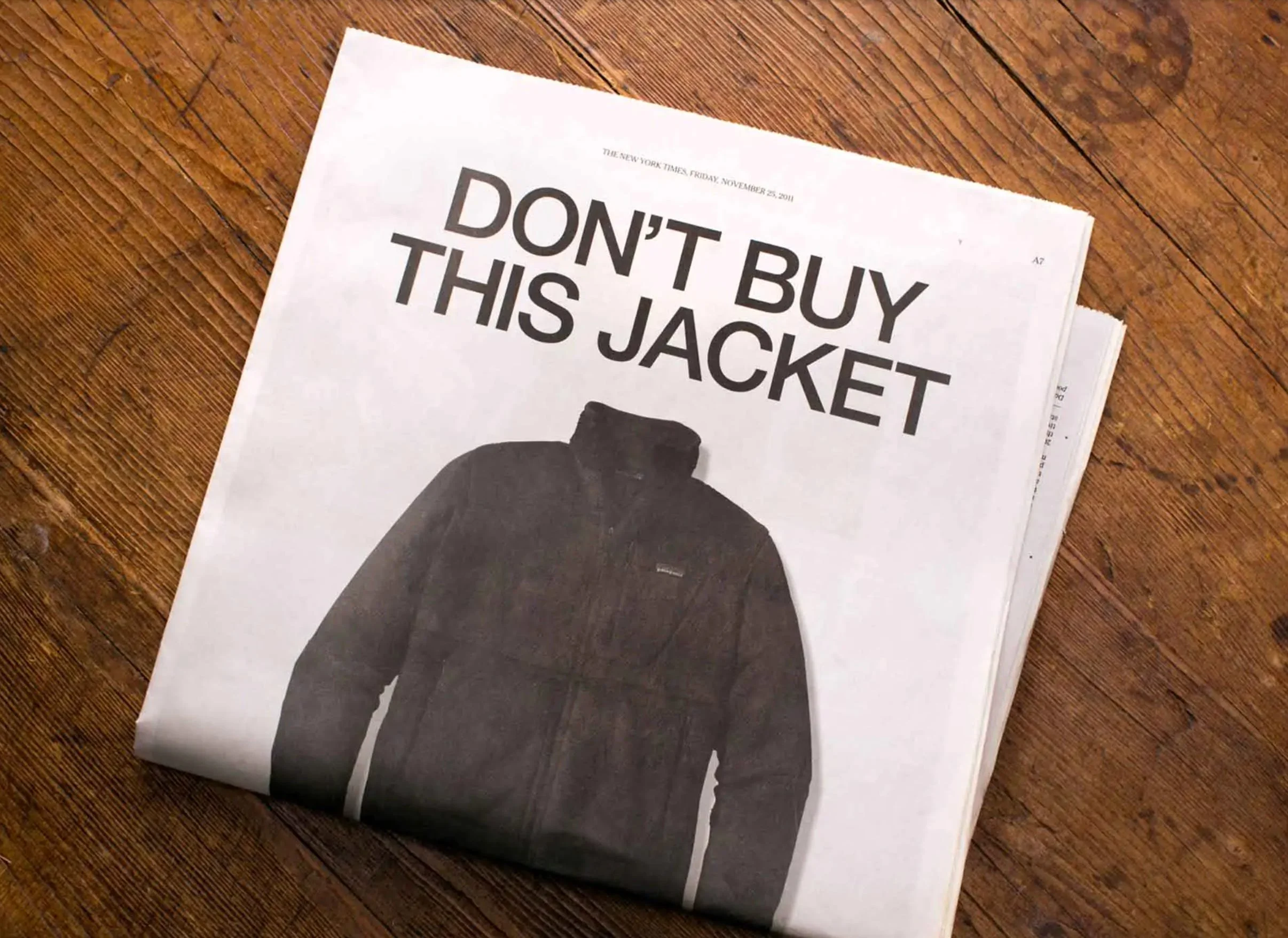
The article reminds readers that in 2018, the company changed their purpose to “save our home planet.” But let’s not forget that they are in business to sell goods.
Through this ad and staked market position, they re-affirmed their commitment to their target consumer and their shared values. It wasn’t just a slogan. It was a way of life for their leaders, employees, and shoppers.
For Branding to be Effective, The Brand Must Permeate the Organization
Having lead brand for a variety of organizations ranging from local shops to $3.5 billion Premier America Credit Union, I’ve seen everything from simple and basic to enterprise-wide shifts because of brand changes and updates.
Here is the key takeaway if you don’t want to read past this point:
A good brand isn’t just a catchy ad campaign. It is a way of life and a way of doing business. It is email copy, contact center processes and phrases, it is employee recognition, and it is philanthropic.
Let me break it down for you on what a well-executed brand ecosystem looks like.
A brand is the unique identity of a company; it is the emotional connection created in the mind of consumers. It really is that simple. But how does that come to life?
Employees: Everything from how employees are onboarded, celebrated, and communicated with comes from the brand values. If you boast about them, you better live them internally. Your employees are customer No. 1.
Customer Experience: It takes a long time to build loyalty and one bad experience to taint it. Build experiences that lean into the brand values.
Product Design: You can’t boast being a brand for low-income consumers and then target high-net worth consumers with your messaging, product design, or value prop. That rings of being dishonest at best and a fraud at worst. Your products must be designed for the consumer who will be the ones connecting with your brand values. Side note: this can be multiple types of people so long as the values align.
Customer Support: Zappos owned this concept of returning anything and making that process easy. It was their brand. They never strayed from it. You don’t need to be Zappos, but be authentically you.
Philanthropy: Where you give money matters. Where it goes should be directly tied to your brand values; when you do that, it becomes really easy to talk about and get your loyal customers excited and engaged on it because they are already bought into the brand values.
This goes for any organization. Let’s go back to the Patagonia example above.
The reason that Black Friday ad worked was because they had made it a point to focus their entire mission on saving the planet. That’s where their charity monies go. That’s what they talk about in their advertising. And I wouldn’t be surprised if they didn’t give money at the corporate level to organizations focused on keeping our planet healthy and clean.
Over the years, I have written extensively about brand. Like the one here about how to protect your brand, or the one here about building loyalty, or, one of my favorites here (especially as it relates to this article) what happens when a CEO lives the brand values.
A brand isn’t just a logo.
A brand isn’t just a story.
A brand is the life-blood of your company.
With out a fully-aligned brand, you’re just a guy on the street-corner with a worn sandwich board begging for someone to pay attention to you.